Stop Burying the Problem: Smart and Sustainable Waste Management for a Low-Carbon Future
Until recently, oil spill risk management systems relied heavily on approaches such as the NEBA (Net Environmental Benefit Analysis) tool, which primarily focused on economic feasibility when assessing the overall environmental impact. This methodology helped streamline risk assessment, reduce the cost of environmental services, and improve the efficiency of oil
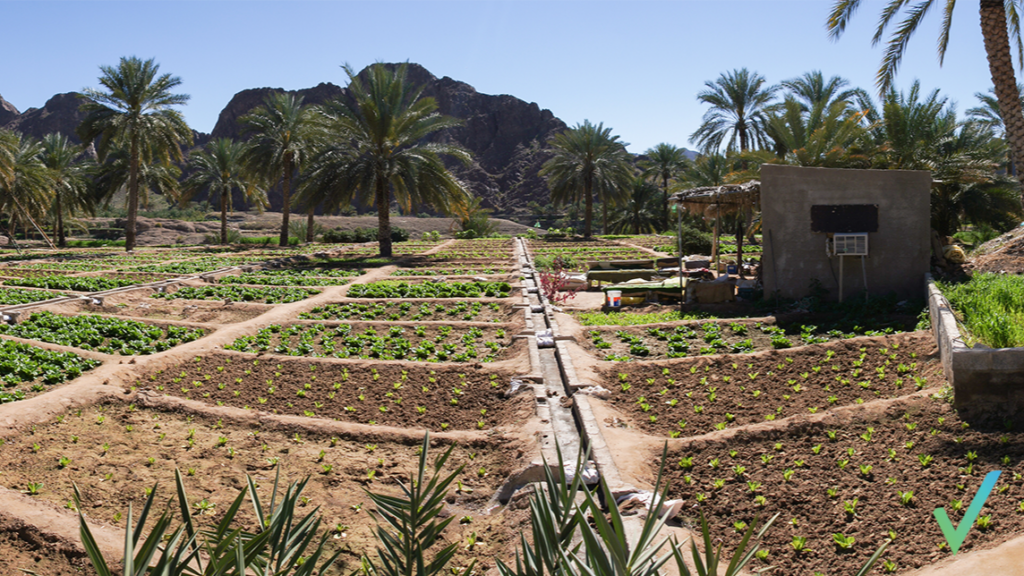
Integrating sustainability indicators: the next challenge for environmental services in MENA
The current sustainability landscape in the Gulf countries invites a fresh perspective on the role of environmental services. For a long time, sustainability has been viewed mainly through the lens of climatology and emission assessments—using more or less sophisticated methodologies. This inertia is not accidental; it reflects the long-standing political
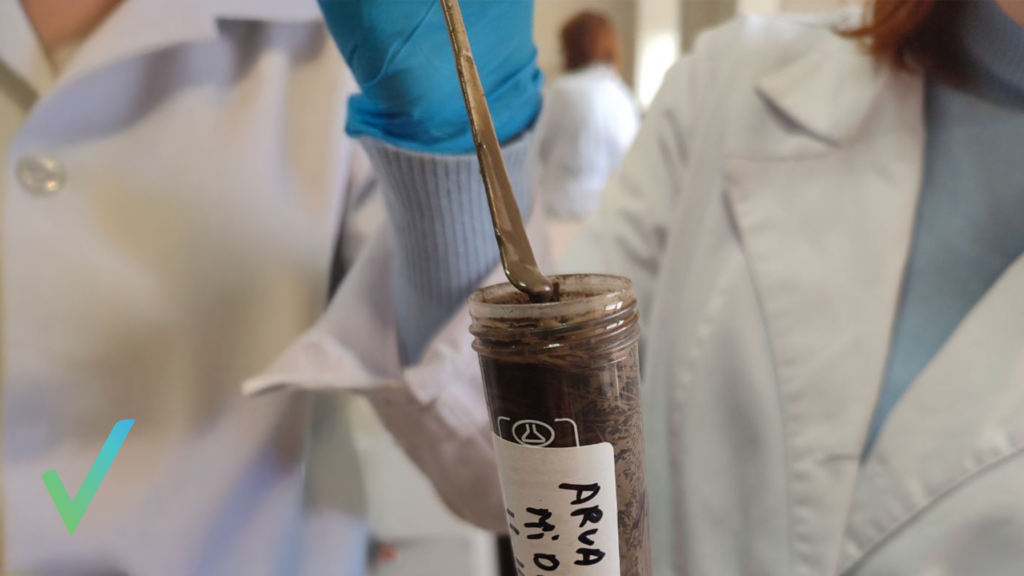
Arva introduces in-house analytical standard
Oil contamination remains one of the most complex and pressing environmental challenges. Unlike conventional pollutants, petroleum hydrocarbons cannot be fully assessed using classical ecological tools or analytical methods designed for refined products. Once released into the environment, crude oil undergoes weathering and interacts with mineral substrates, organic matter, and diverse

Why Chemical Oxidative Remediation Outperforms Long-Term Storage of Oil-Contaminated Soils in the Middle East
From “Free Desert Storage” to a Regulated Cost Center For decades, hydrocarbon-contaminated soils in the Middle East were often stockpiled or stored with minimal treatment, largely due to abundant land and weak regulatory pressure. That paradigm no longer exists. Across the region, the cost of storing and disposing hazardous oil-contaminated

Oil Spills in the Persian Gulf: What Kuwait taught us and why response time matters more than spill size
As tensions continue to escalate across the Persian Gulf and Gulf of Oman region, the question of environmental risk management is once again becoming highly relevant in one of the world’s most vulnerable marine ecosystems. When discussing the potential consequences of damage to oil infrastructure, it is useful to look

Combined and Sustainable Techniques in Remediation of POPs-Contaminated Soil Sites
This publication appeared in the book ‘Rhizobiont in Bioremediation of Hazardous Waste’. It looks at the massive challenges that modern environmental technologies face in dealing with persistent organic pollutants (POPs). The storage and disposal of POPs is now strictly controlled in most countries. However, sustainable techniques for POPs disposal are

The New Combined Chemical-Biological Remediation Method for Oil-Polluted Soils
Today, biological and oxidative methods are frequently used to remediate oil-contaminated soils. Both approaches have advantages and disadvantages in terms of speed, economy and environmental compatibility. In the experiments carried out, an oxidation process was combined with a microbiological remediation approach. The petroleum hydrocarbons (PHC) were degraded much faster and

Combined Oxidative and Bio Method for Removal, Degradation or Disposal of Chlorinated Persistent Organic Pollutants
Modern environmental technologies face massive challenges in dealing with persistent organic pollutants (POPs). The storage and disposal of POPs is now strictly controlled in most countries. However, sustainable techniques for POPs disposal are still lacking. This article discusses new approaches in hazardous waste management. The performed degradation tests focus on